In a recent interview, Rep. Michael McCaul emphasized the need for the United States to adopt a more aggressive stance towards Russia, particularly in light of the ongoing conflict in Ukraine. McCaul, a prominent Republican and former chairman of the House Foreign Affairs Committee, articulated his belief that enhanced pressure on Russian President Vladimir Putin is essential for facilitating meaningful negotiations to conclude the war that has persisted for over four years.
During his appearance on ABC News’ “This Week,” McCaul stated, “I think we need to put tougher sanctions on Putin. If you want a serious negotiation, Putin has to have pressure put on him if he is going to make any concessions at all.” This assertion comes as Ukraine has intensified its military operations, including significant attacks on Russian positions, which have reportedly occurred even in strategic locations such as St. Petersburg.
Escalating Military Actions in Ukraine
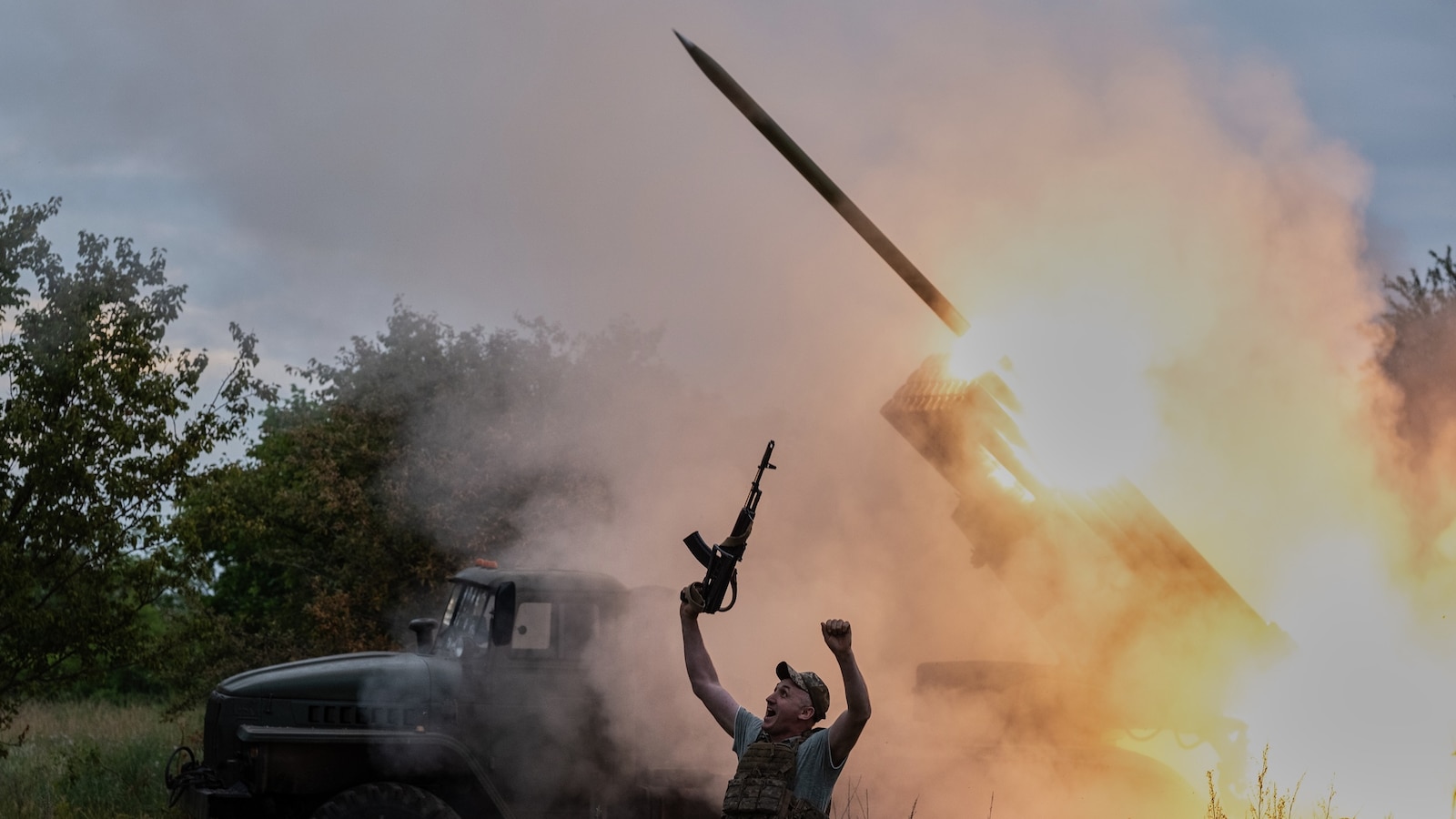
The conflict in Ukraine has seen a notable escalation recently, with Ukrainian forces launching major attacks against Russian targets. This uptick in military engagement coincides with key moments, such as Putin’s attendance at an economic conference in St. Petersburg, heightening concerns over the war’s trajectory. McCaul’s comments reflect a growing sentiment among some U.S. lawmakers that more robust action is necessary to support Ukraine and deter Russian aggression.
Political Dynamics Within the U.S. Congress
McCaul’s advocacy for tougher sanctions is particularly significant given the political landscape in Congress. He was among 18 Republicans who diverged from party leadership to support additional aid to Ukraine and the implementation of stricter sanctions against Russia. This move underscores a faction within the Republican Party that is increasingly willing to challenge the party line in favor of a more interventionist foreign policy regarding Russia.
The Role of Sanctions in Diplomacy
Sanctions have long been a tool of U.S. foreign policy aimed at compelling nations to alter their behavior. McCaul argues that without substantial economic and political pressure, any negotiations with Russia are unlikely to yield positive results. He is currently collaborating with Senate colleagues to draft legislation that would impose even tougher sanctions on the Kremlin, signaling a bipartisan effort to address the ongoing conflict.
Concerns Over Iranian Influence
In addition to discussing Russia, McCaul also touched on broader geopolitical concerns, particularly regarding Iran’s role in the region. He expressed skepticism about Iran’s intentions, suggesting that they may be prolonging the conflict in Ukraine to influence U.S. political dynamics, especially as midterm elections approach. McCaul’s remarks indicate a belief that international adversaries are actively seeking to exploit domestic political situations in the U.S.
Implications for U.S. Foreign Policy
The push for tougher sanctions on Russia and increased support for Ukraine reflects a pivotal moment in U.S. foreign policy. As the conflict continues to evolve, lawmakers like McCaul are advocating for strategies that prioritize national security and international stability. The effectiveness of these proposed measures will likely depend on the ability of U.S. leadership to unify around a coherent strategy that addresses both the immediate crisis in Ukraine and the broader implications for global security.
Frequently Asked Questions
What specific sanctions is Rep. McCaul proposing?
While specific details of the proposed sanctions have not been disclosed, McCaul has emphasized the need for tougher economic measures against Putin to compel negotiations.
How has the conflict in Ukraine changed recently?
Ukraine has intensified its military operations, including significant attacks on Russian positions, signaling a shift in the dynamics of the conflict.
What is the significance of McCaul’s stance within the Republican Party?
McCaul’s position highlights a growing faction within the Republican Party that is willing to support more aggressive foreign policy measures, diverging from traditional party leadership.
How do sanctions affect negotiations with Russia?
Sanctions are intended to pressure Russia economically and politically, potentially leading to concessions in negotiations regarding the conflict in Ukraine.
What role does Iran play in this geopolitical situation?
McCaul suggested that Iran may be influencing the conflict by prolonging hostilities, which could impact U.S. political dynamics as elections approach.
For more updates, visit QuickFeedNews.
Source: ABC News


Leave a Reply