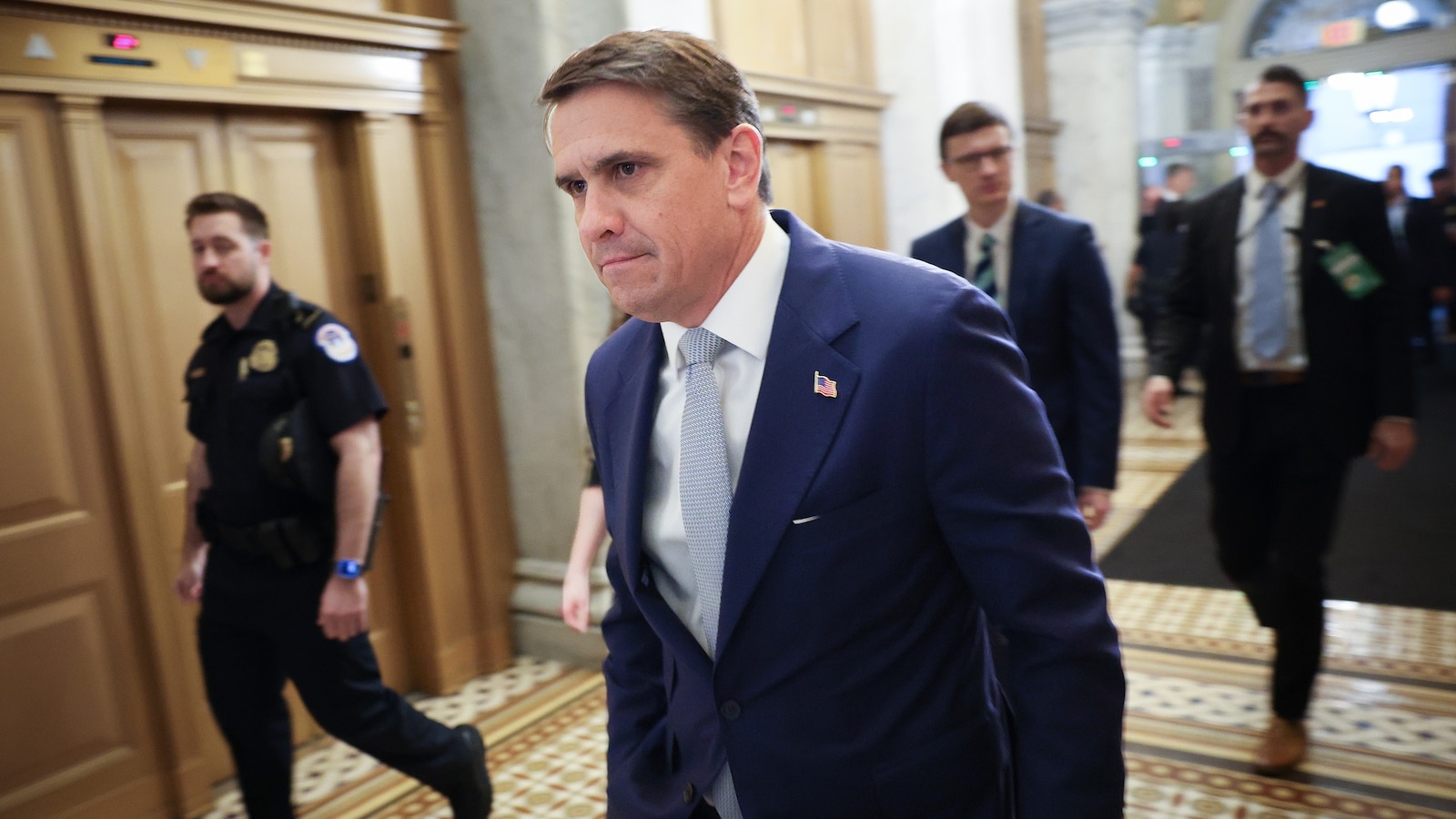
In a significant political development, Representatives Tom Suozzi (D-N.Y.) and Brian Fitzpatrick (R-Pa.), co-chairs of the House Problem Solvers Caucus, are calling on Congress to block the implementation of the Justice Department’s proposed $1.8 billion “anti-weaponization fund.” This fund is designed to provide financial settlements to individuals claiming victimization by the government, which could potentially include those involved in the January 6, 2021, Capitol insurrection.
The bipartisan coalition’s push comes in response to growing concerns about the fund’s implications, particularly regarding payments to individuals convicted of violent acts during the Capitol riots. The lawmakers argue that the fund, which they believe circumvents Congress’s authority over financial appropriations, should not be allowed to distribute taxpayer money without legislative oversight.
Background on the Anti-Weaponization Fund
The Justice Department announced the establishment of the $1.8 billion fund as part of its initiative to address claims of government victimization. However, the announcement has sparked bipartisan backlash, with critics arguing that it could lead to payments for individuals who engaged in violent acts against law enforcement during the January 6 events.
Fitzpatrick emphasized the constitutional principle that Congress holds the power of the purse, stating, “Congress appropriates money. The executive branch does not have a dime of money in its own level.” This assertion highlights the lawmakers’ concerns about executive overreach and the need for checks and balances within the government.
Political Reactions and Legislative Action
In response to the backlash, Acting Attorney General Todd Blanche met with Republican senators to discuss the fund, but reports indicate that the meeting was tense. Some Republican senators expressed their frustration, suggesting that the Justice Department had created a difficult situation that needed to be resolved. Blanche’s comments during a Senate committee hearing indicated that while individuals involved in the January 6 riots could apply for compensation, it was not guaranteed that they would receive any payments.
Suozzi has urged Republicans to join Democrats in opposing the fund, asserting that it is essential for lawmakers to hold the executive branch accountable. He remarked, “It’s really up to the Republicans to join with the Democrats. Everybody knows this is wrong.” Suozzi’s comments reflect a broader call for bipartisan cooperation in safeguarding taxpayer interests.
Implications for Future Legislation
The controversy surrounding the anti-weaponization fund raises important questions about the role of Congress in overseeing federal expenditures. The bipartisan effort to block the fund could set a precedent for future legislative actions regarding executive branch funding initiatives. Both Suozzi and Fitzpatrick have emphasized the importance of collaboration between parties to address critical issues affecting the nation.
Fitzpatrick, when asked about potential backlash from former President Trump for opposing the fund, expressed confidence in his role as a representative, stating, “I don’t worry about any outside criticism. Everybody’s got a job to do.” His remarks underscore the challenges faced by Republican lawmakers who break from party lines, particularly on contentious issues.
Public Sentiment and Future Developments
The public’s reaction to the proposed fund and the lawmakers’ efforts to block it is expected to influence ongoing discussions in Congress. As the situation develops, it remains unclear how many Republicans will join the effort to halt the fund and what impact this will have on future appropriations and legislative priorities.
As the debate continues, both Suozzi and Fitzpatrick are calling for a focus on issues that matter to the American people, urging their colleagues to prioritize the interests of their constituents over partisan politics.
Frequently Asked Questions
What is the anti-weaponization fund?
The anti-weaponization fund is a proposed $1.8 billion initiative by the Justice Department aimed at compensating individuals who claim to have been victimized by the government, potentially including those involved in the January 6 Capitol riots.
Why are lawmakers opposing this fund?
Lawmakers, including Reps. Suozzi and Fitzpatrick, argue that the fund bypasses Congress’s authority over financial appropriations and could lead to payments for individuals convicted of violent acts during the January 6 events.
What are the implications of blocking the fund?
Blocking the fund could reinforce the principle of congressional oversight over federal expenditures and set a precedent for future legislative actions regarding executive funding initiatives.
How has the public reacted to the fund?
The public’s reaction remains mixed, with significant concern among some lawmakers and constituents about the potential for taxpayer money to be used to compensate individuals involved in the January 6 riots.
What are the next steps for Congress regarding this fund?
Congress will need to vote on the proposed bill to block the fund, and the outcome will depend on bipartisan support and the willingness of lawmakers to prioritize accountability in government spending.
Source: ABC News



Leave a Reply