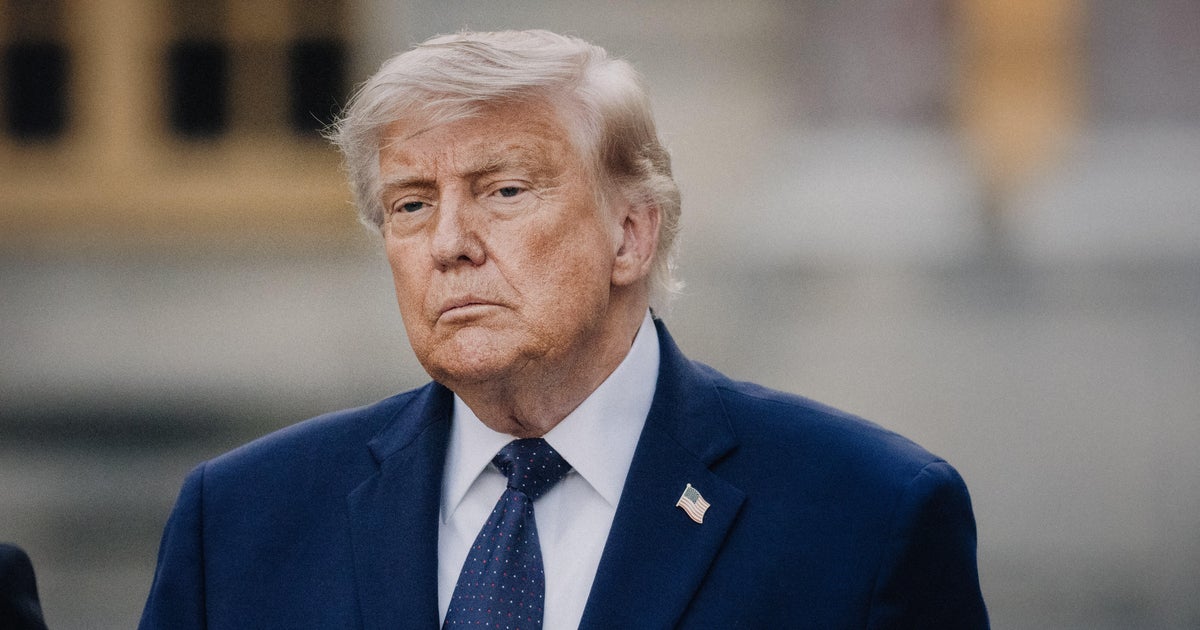
In the wake of a newly signed memorandum of understanding between the United States and Iran, President Donald Trump has come under fire from both Republican and Democratic lawmakers. The criticism centers around the deal’s perceived leniency towards Iran and the implications it may have for U.S. foreign policy and national security. Trump, in response, labeled his critics as “fools” on social media, suggesting they are either jealous, bad people, or stupid for opposing the agreement.
The memorandum, which was signed shortly after Trump’s return from the G7 summit, outlines a 14-point plan that has drawn sharp rebuke from several prominent Republicans. Senator Bill Cassidy of Louisiana has been particularly vocal, asserting that the deal fails to curb Iran’s nuclear ambitions and instead strengthens its position in the Middle East. Cassidy’s comments reflect a broader concern among lawmakers that the agreement could lead to increased Iranian aggression and destabilization in the region.
Key Republican Critiques of the Iran Deal
Senator Cassidy criticized the deal on X, stating that it allows Iran to build new infrastructure while lifting sanctions that previously constrained its nuclear program. He expressed that this represents a significant foreign policy blunder, arguing, “Iran’s nuclear ambitions were not curbed, and they have learned that threatening the Strait of Hormuz works.” Cassidy’s remarks highlight a growing unease among Republicans about the potential for Iran to leverage its newfound resources against U.S. interests.
Senator Ted Cruz also voiced his disapproval, claiming that the deal is based on poor advice and could result in funding terrorism. He argued that providing billions to Iran, identified as a state sponsor of terrorism, would be a grave mistake. Cruz’s comments underscore a common concern among critics that the deal could facilitate Iranian support for militant groups, thereby undermining U.S. security.
Democratic Opposition and Concerns
Democratic leaders have echoed Republican concerns, with Senate Minority Leader Chuck Schumer stating that the deal appears to favor Iran significantly. Schumer criticized Trump’s negotiation tactics, claiming they have left the U.S. in a worse position than before the agreement. He remarked, “When you look at the 14 points that the administration has agreed to, it looks like Iran has won on just about every one of them.” This sentiment reflects a bipartisan consensus that the deal may not adequately protect U.S. interests.
Senator Richard Blumenthal labeled the agreement a “seemingly disgraceful deal,” suggesting it resembles an unconditional surrender by the U.S. rather than a balanced negotiation. Blumenthal’s comments indicate a belief that the deal could embolden Iran and its proxies, further complicating U.S. foreign policy in the region.
Mixed Reactions Among Republican Senators
While many Republican senators have expressed strong opposition, some, like Senator Lindsey Graham, have taken a more tempered approach. Graham indicated that the deal might offer some benefits, such as reopening the Strait of Hormuz and reducing hostilities with Iran. However, he acknowledged that the effectiveness of the agreement in addressing Iran’s nuclear ambitions remains uncertain.
Senator Thom Tillis called for more details regarding the 14-point plan, labeling the information released thus far as inadequate. His request for further clarity reflects a broader desire among lawmakers to fully understand the implications of the deal before forming a definitive stance.
Future Implications and Congressional Review
The deal’s future remains uncertain as it is expected to face scrutiny in Congress. Senate Majority Leader John Thune indicated that senators would receive a briefing on the agreement soon, emphasizing the importance of understanding its details. The bipartisan criticism suggests that the deal may encounter significant opposition, potentially complicating its implementation.
As lawmakers prepare to review the memorandum, the stakes are high for both U.S. foreign policy and national security. The outcome of this agreement may shape the U.S.’s approach to Iran and its role in the Middle East for years to come.
Frequently Asked Questions
What is the Iran deal signed by Trump?
The Iran deal is a 14-point memorandum of understanding aimed at addressing Iran’s nuclear ambitions and stabilizing the region.
Why are lawmakers critical of the Iran deal?
Critics argue that the deal does not sufficiently curb Iran’s nuclear capabilities and may provide financial resources that could support terrorism.
What are the potential implications of the deal?
The deal could lead to increased Iranian aggression in the Middle East and impact U.S. relations with allies, particularly Israel.
How are Democrats responding to the Iran deal?
Democrats are largely opposed to the deal, viewing it as a capitulation that strengthens Iran while weakening U.S. interests.
What happens next for the Iran deal?
The deal is expected to be reviewed by Congress, where it may face significant opposition from both parties.
Source: CBS News




Leave a Reply