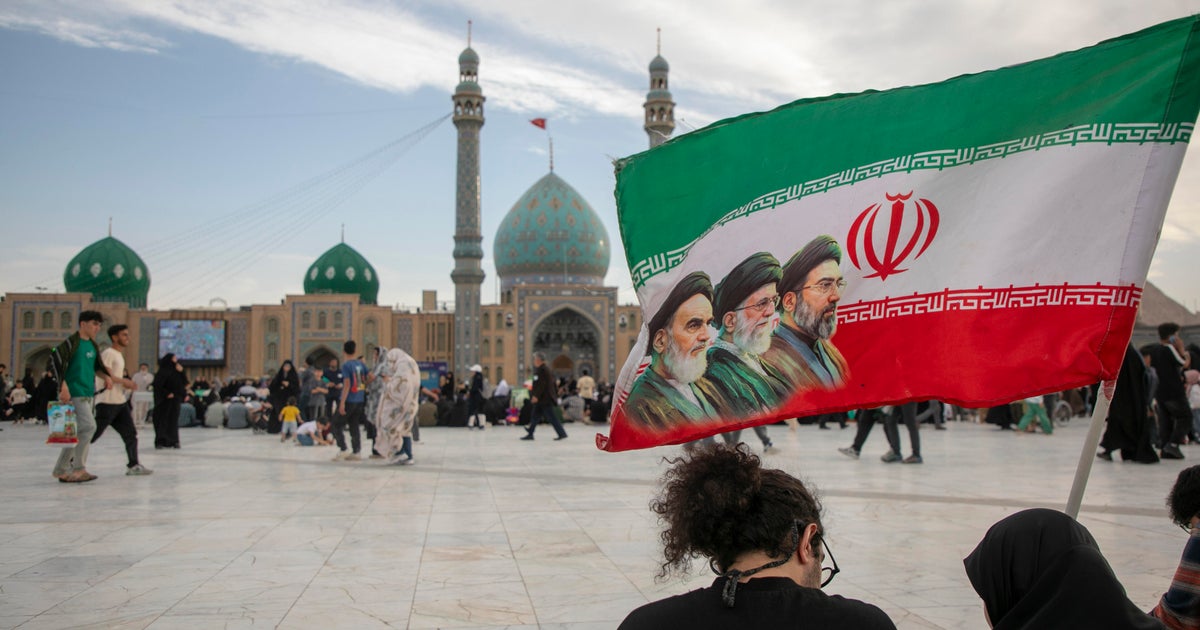
President Donald Trump announced on Friday that he is in the process of making a “final determination” regarding a potential deal with Iran, which has drawn significant attention due to its implications for international relations and regional security. Key demands outlined by Trump include Iran’s commitment to never develop nuclear weapons and the immediate reopening of the Strait of Hormuz without tolls. However, reports from Iranian sources indicate that the situation is more complex than presented by the U.S. president.
The Iranian semi-official news agency Fars reported that the deal is still in the “final stages of ratification” in Iran and has not yet been finalized. This statement raises questions about the validity of Trump’s claims regarding the agreement’s terms. Iranian officials have characterized Trump’s assertions as a mixture of truth and falsehoods, suggesting that the U.S. president’s portrayal may not align with the actual negotiations.
Contentions Over Deal Terms
Among the key points of contention is Trump’s assertion that Iran must reopen the Strait of Hormuz without tolls. Fars reported that there is no such stipulation in the draft agreement, which Iran insists will only be enacted after the lifting of U.S. sanctions. The Iranian government has stated that it will manage the strait based on its own arrangements, including inspections and security measures for vessels.
Additionally, Trump claimed that Iran would be destroying its stockpile of highly-enriched uranium, a statement that has been challenged by Iranian sources who emphasize that such a requirement is not included in the Memorandum of Understanding. This discrepancy highlights the potential for miscommunication and misunderstanding between the two nations as they navigate this critical agreement.
Financial Aspects of the Agreement
Another significant element of the proposed deal involves the financial aspects, particularly the release of $12 billion in frozen Iranian assets. While the draft agreement reportedly includes this provision, Trump stated via social media that “no money will be exchanged, until further notice.” This contradiction raises further questions about the feasibility and sincerity of the negotiations from both sides.
Ceasefire and Regional Violence
The ongoing violence in Lebanon, particularly involving Iranian-backed Hezbollah and Israeli forces, adds another layer of complexity to the negotiations. The United Nations has reported alarming statistics regarding child casualties in the region, with an average of 11 children reportedly killed or wounded daily due to airstrikes. The ceasefire announced earlier this month has largely failed to hold, leading to continued conflict and humanitarian concerns.
Israeli Prime Minister Benjamin Netanyahu confirmed that Israeli ground forces have crossed into southern Lebanon, escalating tensions in an already volatile area. The humanitarian implications of this situation are dire, with calls from UNICEF for safe access to affected areas to deliver essential aid to those in need.
Shipping Activity in the Strait of Hormuz
Despite the ongoing tensions, shipping activity in the Strait of Hormuz appears to be continuing. Iranian state TV reported that 24 ships passed through the strategic waterway in the past 24 hours, indicating that while diplomatic discussions are ongoing, commercial activity remains vital for both nations. The Iranian military is reportedly controlling the flow of vessels to prevent congestion, ensuring that maritime operations can proceed amidst the geopolitical uncertainty.
As negotiations progress, the stakes remain high for all parties involved. The outcome of the discussions could have far-reaching effects on regional stability, international relations, and the global economy, particularly concerning oil transport through the Strait of Hormuz.
Frequently Asked Questions
What are the main demands of the Iran deal proposed by Trump?
Trump’s main demands include Iran’s commitment to never develop nuclear weapons and the immediate reopening of the Strait of Hormuz without tolls.
What are the Iranian responses to Trump’s claims?
Iranian officials have described Trump’s statements as a mix of truth and lies, disputing several claims about the deal’s terms.
How does the ongoing conflict in Lebanon impact the negotiations?
The violence in Lebanon, particularly involving Hezbollah and Israel, complicates the negotiations and raises humanitarian concerns, especially regarding child casualties.
What financial aspects are included in the draft agreement?
The draft agreement reportedly includes the release of $12 billion in frozen Iranian assets, but Trump has stated that no money will be exchanged until further notice.
How is shipping activity in the Strait of Hormuz being managed?
Shipping activity continues in the Strait of Hormuz, with Iranian military oversight to control vessel flow and prevent congestion, despite ongoing geopolitical tensions.
Source: CBS News

Leave a Reply