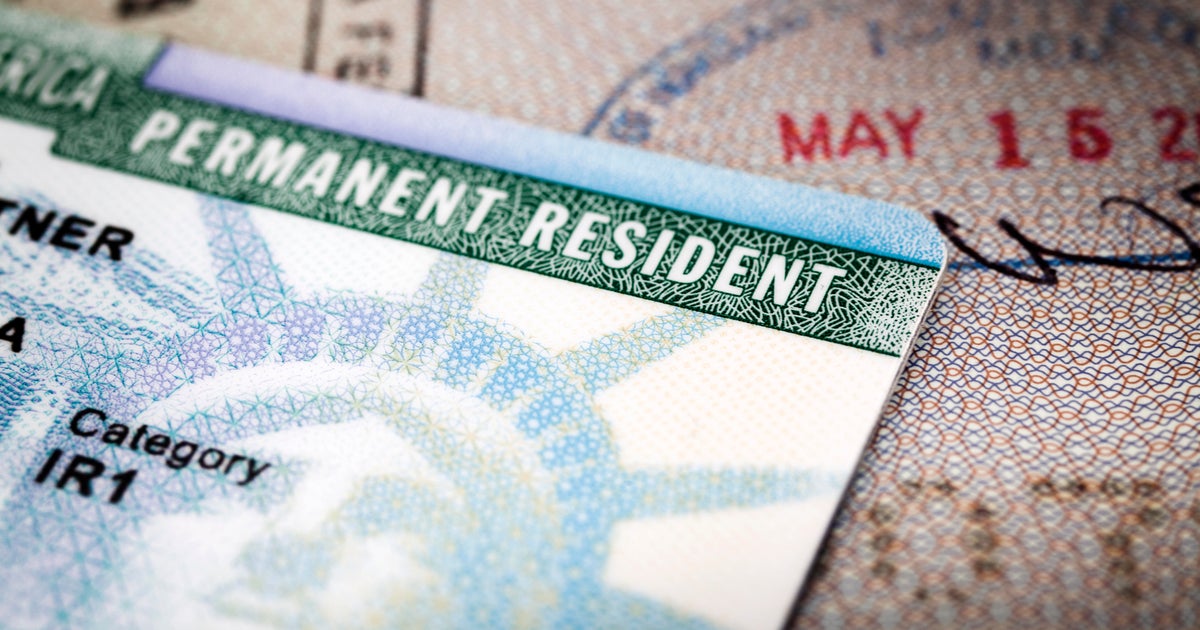
On Friday, the Trump administration unveiled a significant policy shift that will complicate the process for many immigrants seeking permanent residency in the United States. This change is part of a broader effort to limit legal immigration, making it more challenging for individuals already in the U.S. to obtain green cards. Under the new guidelines, many applicants will now be required to leave the country to apply for an immigrant visa at an American consulate abroad, rather than being able to adjust their status while remaining in the U.S.
This policy is expected to have far-reaching implications for various groups, including students, tourists, and temporary visa holders, as well as those who may have overstayed their visas. Current and former U.S. immigration officials have expressed concerns that this move could disrupt the lives of countless families and employers who rely on the ability to navigate the immigration system without leaving the country.
New Policy Details and Implications
The memo issued by U.S. Citizenship and Immigration Services (USCIS) indicates a dramatic shift in how the agency will handle green card applications through the adjustment of status process. Previously, eligible immigrants could apply for a green card without leaving the U.S., but under the new rules, this will be viewed as an “extraordinary” request. USCIS officers are now instructed to treat applications for adjustment of status as adverse factors, thereby complicating the process for many.
Michael Valverde, a former senior USCIS official, noted that the announcement would significantly limit lawful immigration to the U.S. and create uncertainty for those who have followed immigration rules. The changes could particularly impact spouses of U.S. citizens who are currently in the U.S. on temporary visas, as they may now be forced to return to their home countries to apply for residency.
Travel Restrictions and Visa Bans
Compounding the challenges posed by the new policy are existing travel restrictions that affect citizens from 39 countries, primarily in Africa and Asia. These individuals face bans or restrictions on entering the U.S. due to a proclamation signed by President Trump, which cites national security concerns. Furthermore, a separate policy has halted all grants of immigrant visas for individuals from 75 countries, further complicating the landscape for those seeking to immigrate legally.
For many applicants, the prospect of returning to their home countries to apply for a green card poses significant risks, including the possibility of being barred from re-entering the U.S. for up to ten years if they have overstayed their visas. This creates a precarious situation for individuals who may find themselves unable to return to the U.S. after leaving.
Potential Exceptions to the Policy
The memo does suggest that certain groups may still be able to apply for green cards while remaining in the U.S. This includes individuals holding “dual intent” visas, such as H-1B visas for high-skilled workers, as well as refugees and asylees. However, the specifics of these exemptions remain unclear, leaving many applicants uncertain about their status and options.
USCIS spokesman Zach Kahler emphasized that the new policy aims to ensure that the immigration system operates as intended by law, reducing the incentive for individuals to remain in the U.S. illegally after being denied residency. He also indicated that applicants who can demonstrate an “economic benefit” or serve the “national interest” might still have the opportunity to complete their processing without leaving the country.
Impact on Families and Employers
Doug Rand, a former senior USCIS official, highlighted the potential impact of these changes on families and employers, estimating that hundreds of thousands of cases could be affected. The new policy is likely to create significant challenges for U.S. citizens who wish to marry individuals from countries where re-entry to the U.S. is restricted. Many of these couples could find themselves separated for extended periods, creating emotional and logistical difficulties.
As the immigration landscape continues to evolve under the Trump administration, the implications of this policy shift remain a topic of concern for many. The ability of families to stay together and the future of legal immigration in the U.S. may hinge on how these changes are implemented and the responses from affected individuals.
Frequently Asked Questions
What is the new green card application policy?
The Trump administration’s new policy requires many immigrants to leave the U.S. to apply for a green card at an American consulate abroad.
Who will be most affected by this change?
Temporary visa holders, including students and tourists, as well as those who have overstayed their visas, will likely face significant challenges.
Are there any exceptions to this policy?
Yes, individuals with dual intent visas, refugees, and asylees may still be able to apply for a green card in the U.S., but details are not fully outlined.
How does this impact U.S. citizens marrying foreign nationals?
This policy could complicate the process for U.S. citizens wishing to marry foreign nationals, potentially leading to long separations.
What are the potential consequences for those who leave the U.S.?
Individuals who have overstayed their visas may face bans of up to ten years from re-entering the U.S. if they leave to apply for a green card.
Source: CBS News




Leave a Reply