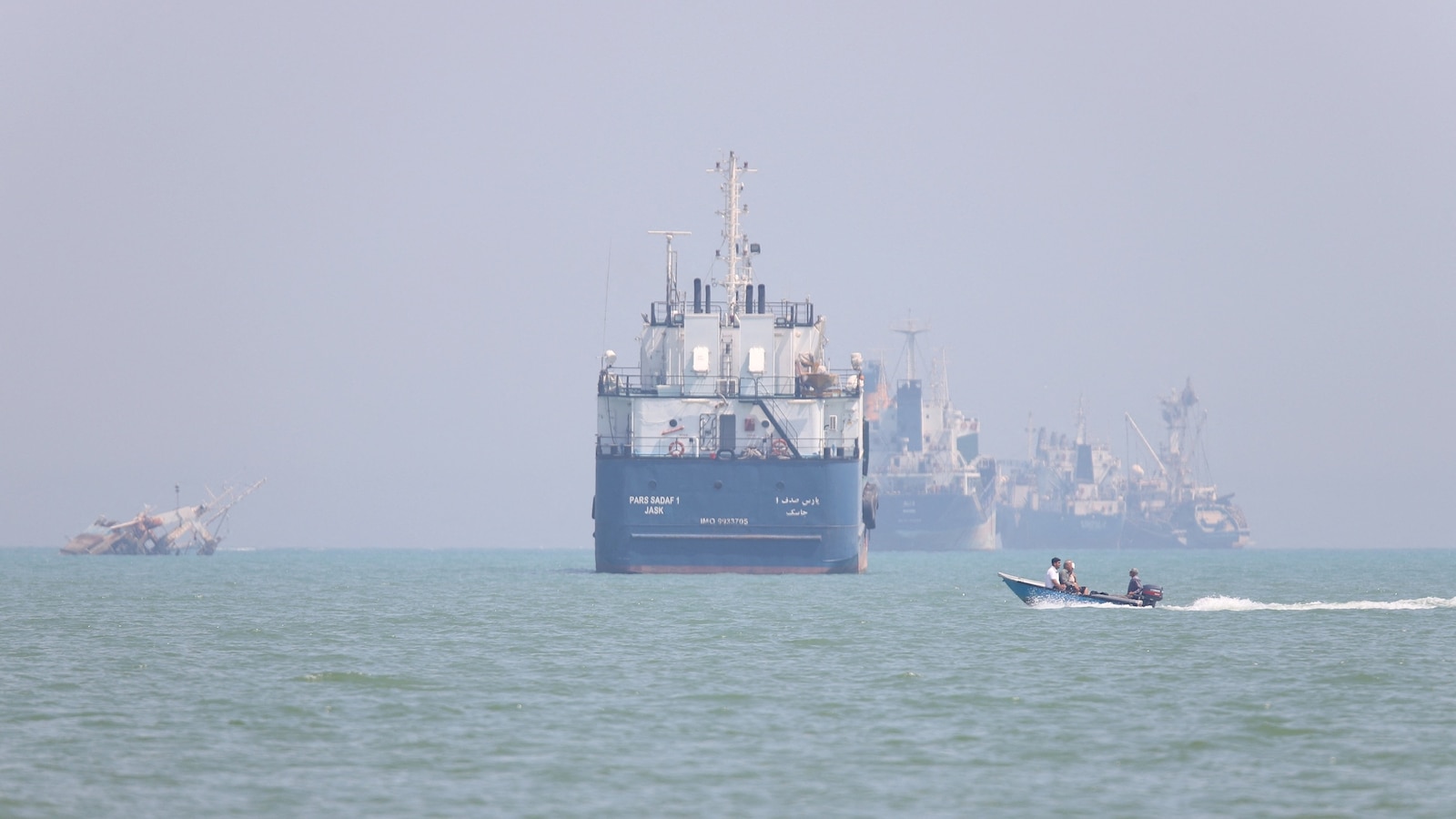
The U.S. is signaling a strong commitment to finalize a preliminary peace deal with Iran, according to U.S. Ambassador to the United Nations Mike Waltz. During an appearance on ABC News’ “This Week,” Waltz stated that President Donald Trump has “every intent” to have a framework agreement signed by Sunday. This development comes amidst ongoing negotiations aimed at addressing critical issues surrounding Iran’s nuclear program and the reopening of the Strait of Hormuz, a vital shipping route.
While U.S. officials express confidence in the negotiations, the Iranian side has not confirmed the timeline for a signing. An Iranian foreign ministry spokesperson mentioned that there is a high possibility the memorandum of understanding will be finalized in the coming days. This uncertainty raises questions about the specifics of the agreement and the extent of concessions from both sides.
Framework of the Proposed Deal
The proposed deal reportedly aims to reopen the Strait of Hormuz and establish a framework for addressing Iran’s nuclear capabilities over a 60-day period. Waltz emphasized that the U.S. expects Iran to dismantle its nuclear program and relinquish highly enriched uranium as part of the negotiations. He stated, “The highly enriched uranium has to go. Their enrichment capabilities, they have to walk away from.” However, the details remain vague, and the agreement is currently described as a memorandum of understanding, indicating that further negotiations will be necessary to finalize the terms.
Differences from the 2015 Nuclear Deal
Waltz highlighted significant differences between the current negotiations and the 2015 Iran nuclear deal, formally known as the Joint Comprehensive Plan of Action (JCPOA). He noted that this new deal would implement a “pay for performance” model regarding any unfrozen assets or sanctions relief, contrasting with the upfront cash approach of the JCPOA. Additionally, he emphasized the importance of verification, stating that the current negotiations would not include the loopholes that existed in the previous agreement.
During the 2015 negotiations, the U.S., European nations, and the United Nations agreed to lift sanctions only after Iran demonstrated compliance through verifiable steps. Waltz asserted that the new deal would prioritize rigorous verification measures to ensure Iran’s adherence to the terms, aiming to prevent any potential cheating that occurred under the JCPOA.
Expert Opinions on the Negotiations
Wendy Sherman, a former U.S. under secretary of State and a key negotiator for the Obama administration during the JCPOA talks, expressed skepticism about the feasibility of achieving a deal within the proposed timeframe. She suggested that the outcome may resemble the JCPOA but underscored the complexities involved, particularly given Iran’s current nuclear advancements. Sherman noted that the context of the negotiations has shifted significantly since the original deal, complicating the path forward.
Implications for U.S.-Iran Relations
The ongoing negotiations and potential deal carry significant implications for U.S.-Iran relations and regional stability. The Strait of Hormuz is a crucial maritime corridor for global oil shipments, and any agreement that ensures its security could have far-reaching economic consequences. Additionally, the resolution of Iran’s nuclear ambitions is a central concern for both U.S. and international security, making the outcome of these discussions critical.
As the situation develops, the international community will be closely monitoring the negotiations. The stakes are high, and the potential for both diplomatic progress and continued tensions remains. The next steps will depend on the willingness of both sides to compromise and the effectiveness of the proposed verification measures.
Frequently Asked Questions
What is the main goal of the U.S.-Iran negotiations?
The primary goal is to finalize a deal that addresses Iran’s nuclear program and reopens the Strait of Hormuz, ensuring regional stability.
How does the new deal differ from the 2015 JCPOA?
The new deal emphasizes a “pay for performance” model and stricter verification measures, avoiding the loopholes present in the previous agreement.
What are the implications of reopening the Strait of Hormuz?
Reopening the Strait of Hormuz is vital for global oil shipments, and ensuring its security could have significant economic impacts.
What remains unclear about the negotiations?
The specifics of the agreement and the extent of concessions from both the U.S. and Iran have not been fully disclosed, leaving many details uncertain.
What are the next steps in the negotiation process?
Further negotiations will be necessary to finalize the terms of the memorandum of understanding and address any remaining issues between the two parties.
Source: ABC News

Leave a Reply