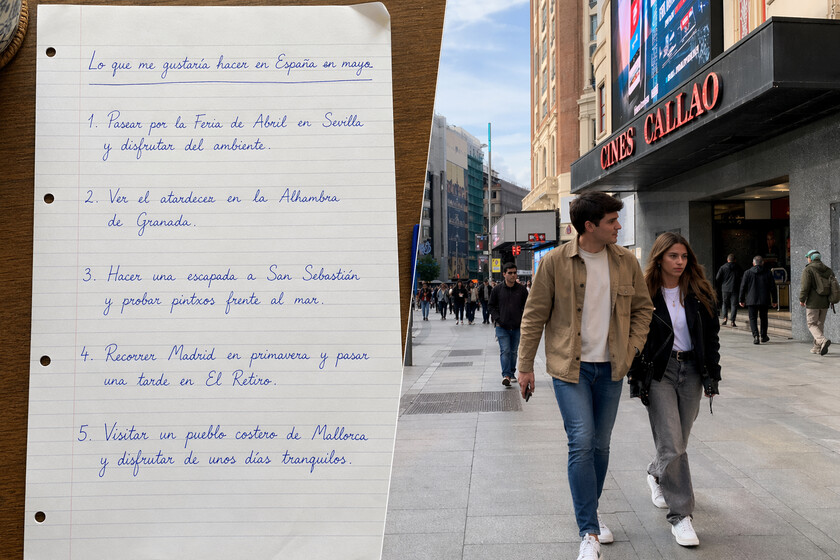
OpenAI’s introduction of ChatGPT Images 2.0 represents a significant shift in the realm of AI-generated imagery. Rather than merely focusing on creating visually appealing images, the new model emphasizes the production of practical, actionable visuals, aiming to meet specific user needs with greater precision. This change reflects a broader trend in the AI landscape, where the demand for utility in creative tools is becoming increasingly pronounced.
A Shift from Aesthetics to Utility
In recent years, the development of image generation models has accelerated, with many achieving impressive results in terms of speed and visual quality. However, the challenge remains that an eye-catching image does not necessarily translate into a usable product. For instance, generating a whimsical image of an astronaut cat differs vastly from producing a coherent marketing poster or an informative graphic. OpenAI’s latest initiative seeks to address this gap by prioritizing functionality in its image outputs. The effect here is profound: as businesses and creatives increasingly rely on AI for visual content, the demand for tools that facilitate genuine productivity is bound to grow.
Rethinking Image Requests
OpenAI’s ambition with the new model is to transform the way users interact with the image generation process. The company asserts that the primary goal of ChatGPT Images 2.0 is not simply to produce attractive images but to fulfill visual requests with a clear intention and reduced reliance on trial and error. Sam Altman, OpenAI’s CEO, encapsulates this vision by stating that ‘cimages are a language, not decoration.’ This assertion underlines the company’s aim to shift the paradigm of image generation from creative prompts to actionable requests. Such a change could empower users, particularly those in marketing and design, to craft tailored visuals that resonate better with their target audiences.
Enhancements in Control and Precision
To achieve this, OpenAI has focused on three critical areas where previous models often fell short. First, the new model promises improved adherence to complex instructions, enabling it to understand and execute detailed visual requests more accurately. This is crucial in fields where specificity can make or break a project’s success, such as advertising or product design. Second, it enhances the organization of elements within the generated images, allowing for more coherent compositions. Lastly, the model aims to reproduce dense text within images with greater reliability. This emphasis on clarity and control signifies a move away from ambiguity, which has often plagued earlier iterations of image generation tools. For instance, graphic designers could utilize these advancements to create infographics that convey information succinctly and effectively, thereby enhancing viewer comprehension.
Integrating Reasoning Capabilities
One of the standout features of ChatGPT Images 2.0 is its incorporation of reasoning capabilities. This functionality allows the model to take additional time to structure tasks more effectively, consult updated information from the web, and refine its outputs prior to delivering the final image. For example, when tasked with generating an image of two individuals walking along Gran V’eda in Madrid, the model can provide contextual insights and relevant visuals that enhance the user experience. This integration of reasoning marks a significant advancement in how AI can assist in creative processes. It also opens the door for users to engage in more collaborative workflows, where the AI serves not just as a tool but as a partner in the creative process.
Broader Applications in Creative Industries
Navigating a Competitive Landscape
Despite these advancements, OpenAI’s announcement cannot be viewed as a groundbreaking revelation within the competitive landscape of image generation. Rivals such as Midjourney have established themselves as leaders with artistic-focused outputs, while others like Nano Banana have garnered attention for their conversational editing capabilities, and FLUX 2 has carved a niche in photorealism. Given this competitive backdrop, OpenAI’s strategy seems to pivot towards presenting ChatGPT as a comprehensive environment where image creation is not a standalone task but rather part of a broader workflow, potentially appealing to users who seek integrated solutions. This approach also raises questions about market differentiation and the long-term viability of various platforms in an increasingly crowded space.
Immediate Availability and Future Prospects
OpenAI has also indicated that ChatGPT Images 2.0 is not just a conceptual model but is already being deployed for practical use. The model is accessible to both free and paid account holders, and it has been integrated into the API and Codex, signaling OpenAI’s intention to expand its utility beyond casual interactions within the chat interface. This strategic move suggests that the company is positioning itself to cater to a diverse range of users, from casual creators to professional developers. As more individuals and companies start leveraging this technology, the potential for innovation in content creation is vast.
Related reading
- Related coverage
- Further insights on AI developments
- Exploring the future of AI in creative industries
As OpenAI continues to refine its approach to image generation, the pressing question remains: will ChatGPT Images 2.0 truly meet the diverse demands of creators and industries seeking practical visual solutions? The outcome of this endeavor could redefine the landscape of digital content creation, making AI an indispensable ally in the pursuit of effective communication through visuals.
Source: xataka.com
Summary and Outlook
As this situation unfolds, the editorial desk at Quick Feed News will continue to track major announcements, market-moving signals, and regulatory reviews. For more related insights on technological developments and U.S. business headlines, keep exploring our homepage.
Frequently Asked Questions (FAQ)
Q: What is the main technological breakthrough discussed in this article?
A: This development represents a significant step in autonomous AI scaling, enterprise integrations, and high-performance computing capabilities designed to streamline business workflows.
Q: How does this impact regular users and developers?
A: It lowers the barrier to deploying advanced AI systems locally, though it raises questions regarding hardware requirements, API costs, and data governance policies.
Q: What are the security or privacy implications?
A: As AI models integrate deeper into workflows, securing proprietary data and protecting against supply-chain risks remains a top priority for IT executives.
More Stories
 Online Cognitive Tests Are Becoming Product Experiences, Not Just Score PagesMay 05, 2026
 The best AI dictation apps, tested and rankedMay 02, 2026
 Tesla Reports Q1 2026 Earnings Amid Plans for Optimus Robot FactoryApr 22, 2026
 SpaceX Offers $60 Billion to Acquire AI Startup Cursor, Disrupting $2 Billion FundraiseApr 22, 2026
Leave a Reply