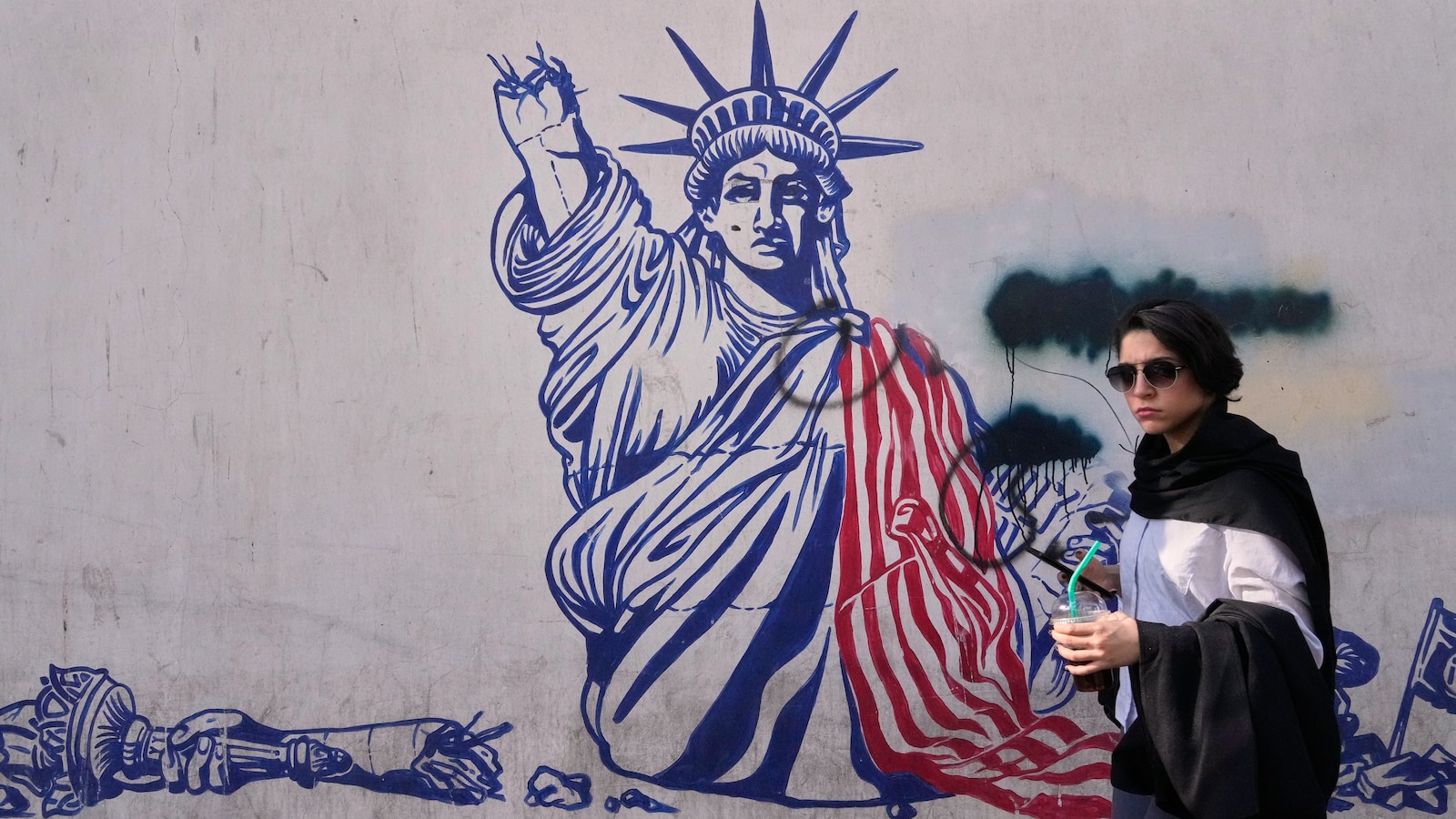
The United States and Iran have reportedly reached an interim deal aimed at alleviating long-standing tensions surrounding Iran’s nuclear program and reopening the strategic Strait of Hormuz. This development comes as both nations seek a resolution to ongoing conflicts that have escalated over the past few decades. The deal, which is set to be signed in Switzerland, has generated significant attention, particularly given the historical context of US-Iran relations.
The tensions between the two countries have their roots in Iran’s nuclear ambitions, which have been a point of contention since the late 20th century. The interim agreement is seen as a potential step toward stabilizing relations, though the specifics of the deal remain unclear at this time. Previous negotiations have often faltered, raising questions about the durability of this new arrangement.
Historical Context of Iran’s Nuclear Program
Iran’s nuclear program began in earnest in 1967 when the country received the Tehran Research Reactor from the United States as part of the “Atoms for Peace” initiative. However, the political landscape shifted dramatically after the 1979 Islamic Revolution, which led to the overthrow of the US-backed Shah and the establishment of an Islamic Republic under Ayatollah Khomeini. This shift resulted in the suspension of Iran’s nuclear activities due to international pressure.
Key Developments Over the Decades
- 2002: Iran’s secret Natanz nuclear enrichment facility is revealed, sparking international concern.
- 2003: Negotiations begin between Iran and European powers, leading to a temporary suspension of uranium enrichment.
- 2006: Iran resumes uranium enrichment under President Mahmoud Ahmadinejad, leading to further diplomatic isolation.
- 2015: A landmark nuclear agreement is reached, limiting Iran’s nuclear activities in exchange for the lifting of sanctions.
- 2018: The US withdraws from the nuclear agreement under President Donald Trump, reigniting tensions.
Recent Escalations and Responses
The aftermath of the US withdrawal from the nuclear deal saw Iran gradually stepping back from its commitments, culminating in a series of regional conflicts. Notably, in January 2020, the US conducted a drone strike that killed Iranian General Qassem Soleimani, leading to retaliatory missile strikes by Iran against US military bases in Iraq. These events further complicated the already fraught relationship between the two nations.
The Current Interim Deal
While the details of the interim deal are still being finalized, its announcement has been met with cautious optimism. The agreement is seen as a potential pathway to de-escalation, particularly regarding the reopening of the Strait of Hormuz, a critical maritime route for global oil shipments. However, skepticism remains due to the history of failed negotiations and the complexities of both countries’ political landscapes.
What Lies Ahead?
The signing of the interim deal in Switzerland could mark a significant turning point in US-Iran relations, but it also raises questions about its implementation and the potential for future negotiations. The international community will be closely monitoring the developments, particularly in light of past agreements that have fallen through.
The path forward remains uncertain, and the stakes are high for both nations, as well as for global security and economic stability. The effectiveness of this interim deal may depend on the willingness of both parties to engage in meaningful dialogue and adhere to the terms set forth.
Frequently Asked Questions
What is the significance of the interim deal?
The interim deal aims to ease tensions between the US and Iran and address issues related to Iran’s nuclear program, which has been a longstanding point of conflict.
How has Iran’s nuclear program evolved over the years?
Iran’s nuclear program has evolved from the initial acquisition of research reactors in the 1960s to the development of enrichment facilities, leading to international scrutiny and negotiations.
What were the consequences of the US withdrawal from the nuclear deal?
The US withdrawal from the nuclear deal in 2018 led to Iran stepping back from its commitments, increased regional tensions, and a series of military confrontations.
What are the implications for global security?
The outcome of the interim deal could have significant implications for global security, particularly in relation to oil supply routes and regional stability in the Middle East.
Source: ABC News


Leave a Reply