Oil prices experienced a significant decline following President Donald Trump’s announcement of a preliminary deal with Iran that is expected to reopen the Strait of Hormuz, a critical waterway for global oil transport. This announcement has led to a rally in U.S. stock markets, reflecting optimism that the agreement will alleviate energy supply concerns and provide relief to consumers and businesses alike.
In early trading, Brent crude, the international benchmark, fell by $4.22, or 4.8%, landing at $83.11 per barrel. Similarly, West Texas Intermediate (WTI), the U.S. standard, dropped by $4.41, or 5.2%, to $80.47. Concurrently, the S&P 500 index surged by 111 points, or 1.5%, reaching 7,543, while the Dow Jones Industrial Average rose by 522 points, or 1%, hitting a new record high of 51,725. The tech-heavy Nasdaq composite index also saw a notable increase of 2.2%.
Impact of the Iran Deal on Global Oil Supply
The Strait of Hormuz is vital for global oil transport, accounting for roughly 20% of the world’s crude oil supply. Trump’s announcement indicated that the strait would reopen on Friday following the signing of the deal, which would also lift the U.S. naval blockade on Iran. Despite this optimistic outlook, analysts caution that it may take weeks for oil tanker traffic through the strait to return to even 50% of pre-war levels.
Energy experts have pointed out that shipping and insurance companies will likely remain cautious until they are confident that the agreement will hold. This could delay the resumption of oil and gas flows from the region, impacting global supply chains.
Inflation Concerns Amidst Rising Energy Prices
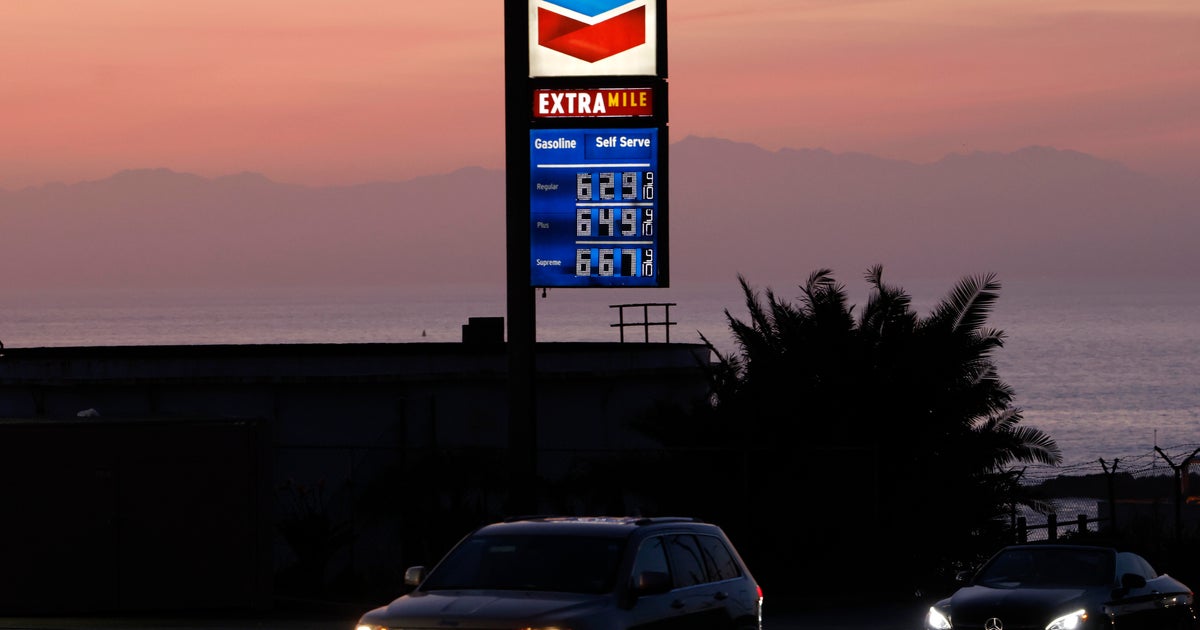
While the deal has the potential to ease some inflationary pressures, experts warn that it may not prevent further increases in inflation in the near term. The Consumer Price Index (CPI) for May showed a rise to its highest level in over three years, with energy prices contributing to more than 60% of that increase. Although fuel prices have seen a slight decrease in June, the average national price for a gallon of gasoline remains significantly higher than before the onset of the conflict, with a current average of $4.07 per gallon, down from $4.53 a month ago.
Potential Toll Charges and Economic Implications
One of the uncertainties surrounding the deal is whether Iran will impose toll charges on ships passing through the Strait of Hormuz. The U.S. has insisted that the waterway remain toll-free, but it remains unclear how Iran will respond. This aspect of the deal could have implications for shipping costs and overall energy prices.
Neil Shearing, chief economist at Capital Economics, noted that even with the reopening of the strait, inflation may continue to rise in the short term, and some economic damage could be expected during the third quarter of the year. This suggests that while the deal may provide some relief, the broader economic landscape remains uncertain.
Market Reactions and Future Outlook
The market’s positive reaction to the announcement underscores the importance of energy supply stability for both consumers and businesses. However, analysts remain cautious about the immediate future, emphasizing that while gas prices may ease, they are unlikely to return to pre-war levels anytime soon. The financial pressure on U.S. households and businesses may persist as the market adjusts to these new developments.
As the situation evolves, stakeholders across various sectors will be closely monitoring the implementation of the deal and its impact on both energy prices and inflation rates.
Frequently Asked Questions
What is the significance of the Strait of Hormuz?
The Strait of Hormuz is a crucial waterway for global oil transport, accounting for about 20% of the world’s crude oil supply.
How did the markets react to Trump’s announcement?
U.S. stocks surged to record highs, reflecting optimism about the potential easing of energy supply concerns due to the Iran deal.
Will gas prices return to pre-war levels soon?
Experts indicate that while gas prices may decrease, they are unlikely to return to pre-war levels in the near future.
What are the potential economic implications of the deal?
While the deal may provide some relief, inflation may continue to rise, and economic damage could occur in the third quarter of the year.
Is there a possibility of toll charges for ships in the Strait of Hormuz?
It remains unclear whether Iran will impose toll charges, as the U.S. has demanded that the strait remain toll-free.
Source: CBS News




Leave a Reply