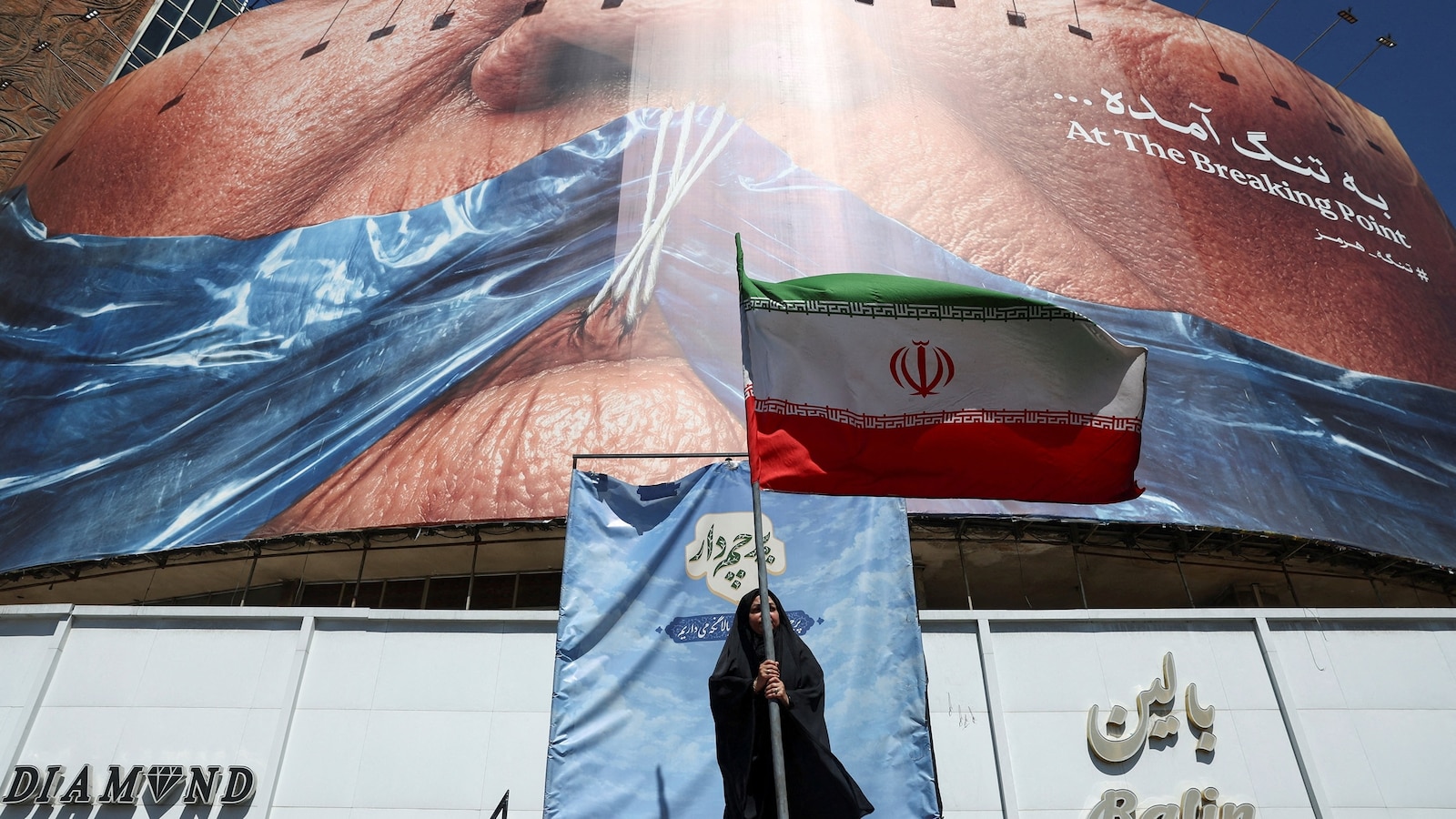
President Donald Trump has recently reiterated his commitment to negotiating a new deal with Iran, emphasizing that critics of his approach are misinformed. This comes amid ongoing discussions about a potential agreement that he claims is significantly different from the previous nuclear deal established by former President Barack Obama. Trump characterized his proposed deal as either a “great and meaningful one” or no deal at all, distancing himself from the Joint Comprehensive Plan of Action (JCPOA), which he labeled a disaster.
In a series of social media posts, Trump asserted that the negotiations are still in their early stages, stating that “things haven’t even been negotiated yet.” His comments follow a declaration of “major combat operations” against Iran, which included large-scale U.S.-Israeli military strikes targeting various Iranian sites. This military action was announced on February 28, and it was accompanied by a two-week ceasefire, which has since been extended while negotiations continue.
Current State of Negotiations
Despite Trump’s confident assertions, Iranian Foreign Ministry spokesperson Esmail Baghaei has cautioned that while significant progress has been made in discussions, no one can predict the imminent finalization of a deal. Baghaei noted that the U.S. has shown “frequent changes in positions,” which complicates the negotiation process. He emphasized that the understanding of how the Strait of Hormuz will be managed remains undecided, indicating that more discussions are necessary before a comprehensive agreement can be reached.
Criticism from Political Opponents
Trump’s remarks also included pointed criticisms of his political adversaries, both from the Democratic Party and within the Republican Party. He specifically mentioned Republican Senators Bill Cassidy and Thom Tillis, suggesting that their recent electoral challenges reflect a disconnect with voters on foreign policy issues. Trump’s approach to the Iran deal has become a focal point in his broader critique of political rivals, as he seeks to consolidate support among his base by positioning himself as a strong negotiator.
Implications of Military Actions
The backdrop of military operations complicates the diplomatic landscape. The strikes against Iranian military and infrastructure sites underscore the tensions between the U.S. and Iran, raising concerns about the potential for further escalation. As negotiations proceed, the U.S. blockade remains in place, which may affect Iran’s willingness to engage in constructive dialogue. The ongoing military presence and actions by the U.S. and Israel could influence Iran’s negotiating stance and the overall dynamics of the peace process.
Future of U.S.-Iran Relations
The future of U.S.-Iran relations hangs in the balance as both sides navigate the complexities of their positions. Rubio, the Secretary of State, described the potential deal as a “work in progress,” suggesting that while there is optimism, significant hurdles remain. The focus on the Strait of Hormuz and the broader regional implications of any deal will require careful consideration from both parties as they work towards a resolution.
Conclusion
As discussions continue, the stakes are high for both the U.S. and Iran. The outcome of these negotiations could reshape the geopolitical landscape of the Middle East, impacting not only bilateral relations but also the security and stability of the region. Observers will be watching closely to see how the situation unfolds in the coming weeks.
Frequently Asked Questions
What is the current status of the Iran deal negotiations?
The negotiations are ongoing, with some progress reported, but no imminent finalization of a deal has been confirmed.
What military actions have been taken against Iran?
The U.S. and Israel conducted major strikes against Iranian military and infrastructure sites, which were announced on February 28.
How has Trump characterized his proposed deal with Iran?
Trump claims his proposed deal is significantly different from the JCPOA and insists that it will either be a meaningful agreement or no deal at all.
What are the implications of the U.S. blockade on Iran?
The blockade may affect Iran’s willingness to negotiate and could complicate the diplomatic efforts underway.
How are U.S. political figures responding to the Iran negotiations?
Trump has criticized both Democrats and certain Republicans, suggesting that they do not understand the complexities of the negotiations.
Source: ABC News
Leave a Reply