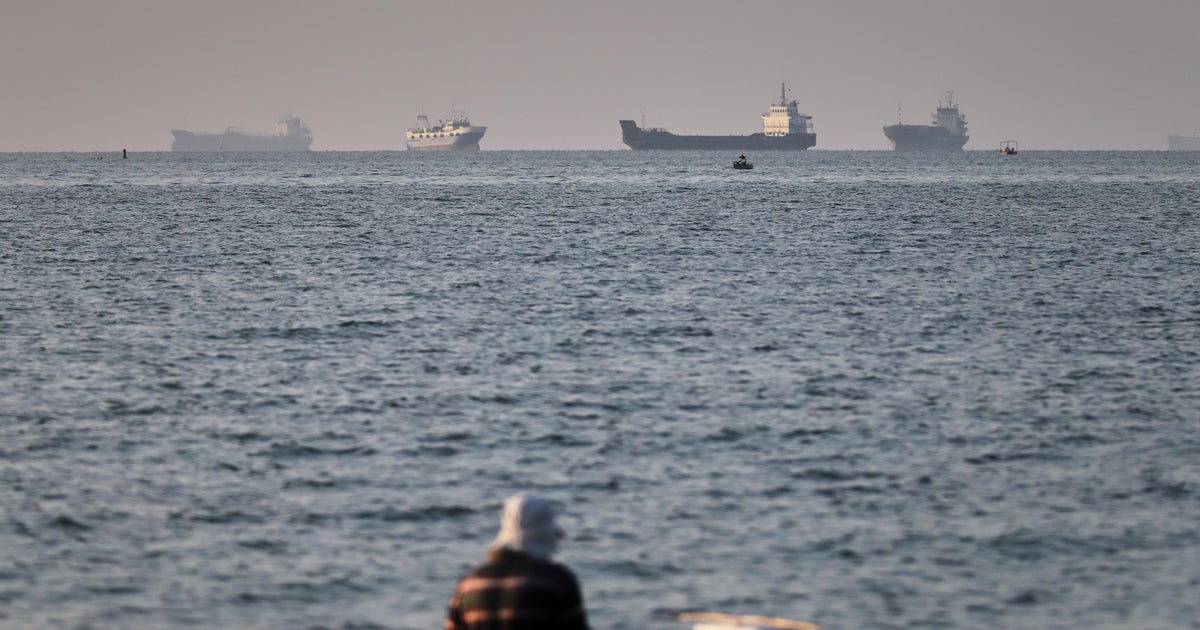
The Strait of Hormuz, a critical waterway for global oil and gas supplies, remains a focal point of concern for major shipping companies, despite President Donald Trump’s recent assurances of a “safe, secure, and pristine” route. Following a tentative agreement between the U.S. and Iran, which aims to lift restrictions on maritime traffic, shipping firms are expressing caution and emphasizing the need for firm security guarantees before resuming normal operations.
Before the recent geopolitical tensions escalated, approximately 20% of the world’s oil and gas supplies transited through the Strait of Hormuz. However, Iranian threats and attacks on commercial vessels in retaliation for U.S.-Israeli military actions have significantly disrupted this traffic, leading to increased global energy prices. While President Trump announced the lifting of the U.S. naval blockade and called for ships to resume their journeys through the strait, many in the shipping industry remain unconvinced about the safety of such operations.
Shipping Industry’s Cautious Stance
Despite the optimistic rhetoric from Trump, major shipping companies are taking a wait-and-see approach. Firms like Mitsui OSK Lines have stated that they will not resume operations until they receive sufficient confirmation of safety in the strait. Jotaro Tamura, the company’s CEO, emphasized that any agreement must be translated into tangible safety measures on the ground.
Richard Meade, a shipping analyst at Lloyd’s List, echoed this sentiment, stating that the current situation should not be mistaken for a return to normalcy. The Joint Maritime Information Center has warned that the maritime security threat level in the Strait of Hormuz remains severe, underscoring the risks involved in transiting the area.
Timeline for Resuming Operations Uncertain
While some ships have begun to transit the Strait of Hormuz again, the volume is drastically lower than pre-war levels. Estimates suggest that it may take several weeks, if not months, for shipping operations to return to normal. Leon Schulz from Hapag-Lloyd indicated that a full recovery could take around three to four months, depending on the evolving security situation.
Amidst these uncertainties, marine insurance firms have also refrained from adjusting their rates, which spiked during the conflict. Insurers have indicated that they will only consider lowering premiums once they see solid evidence of improvements in safety for vessels operating in the region.
Potential Threats and Safety Concerns
One of the immediate concerns for shipping companies is the presence of sea mines in the Strait of Hormuz, which could pose a significant risk to navigation. Reports suggest that removing these mines could take up to 50 days, further complicating the timeline for safe passage through the strait. Jakob Larsen from BIMCO highlighted the need for mine-free routes to be established to ensure the safety of maritime operations.
The lack of clarity surrounding the details of the U.S.-Iran memorandum of understanding adds to the uncertainty. Neither government has disclosed the text of the agreement, leaving shipping companies in a precarious position as they await more concrete assurances regarding safety and security in the region.
Market Reactions to the Agreement
Trump’s announcement of the memorandum has sparked a rally in global equity markets, and crude oil prices have seen a decrease of nearly 5% this week. However, the positive market reaction does not necessarily reflect the sentiments within the shipping industry, where many remain skeptical about the feasibility of resuming normal operations through the Strait of Hormuz.
As companies reposition vessels in anticipation of increased demand, the reality is that traffic levels remain significantly below pre-war figures. The ongoing volatility in the region continues to overshadow any potential recovery.
Conclusion: The Path Forward for Shipping
In summary, while there are signs of progress in negotiations between the U.S. and Iran, major shipping companies are prioritizing safety over optimism. The path to normalcy in the Strait of Hormuz is fraught with challenges, and until there are clear, actionable safety measures in place, many shipping firms will remain hesitant to fully resume operations.
For more updates on this developing story and other news, visit QuickFeedNews.
Frequently Asked Questions
What is the current status of shipping through the Strait of Hormuz?
Shipping companies are currently cautious about transiting the Strait of Hormuz, waiting for more concrete safety assurances despite recent agreements.
How long might it take for shipping operations to return to normal?
Experts suggest that it could take three to four months for shipping operations to fully normalize in the Strait of Hormuz.
What are the main concerns for shipping companies in the region?
Key concerns include the threat of sea mines and the need for firm security guarantees before resuming operations.
How have marine insurance rates been affected?
Marine insurance rates have remained high, with insurers indicating they will only lower premiums after seeing solid evidence of improved safety.
What impact has the U.S.-Iran agreement had on oil prices?
Following the announcement of the agreement, crude oil prices have dropped nearly 5%, reflecting market optimism despite ongoing shipping concerns.
Source: CBS News




Leave a Reply