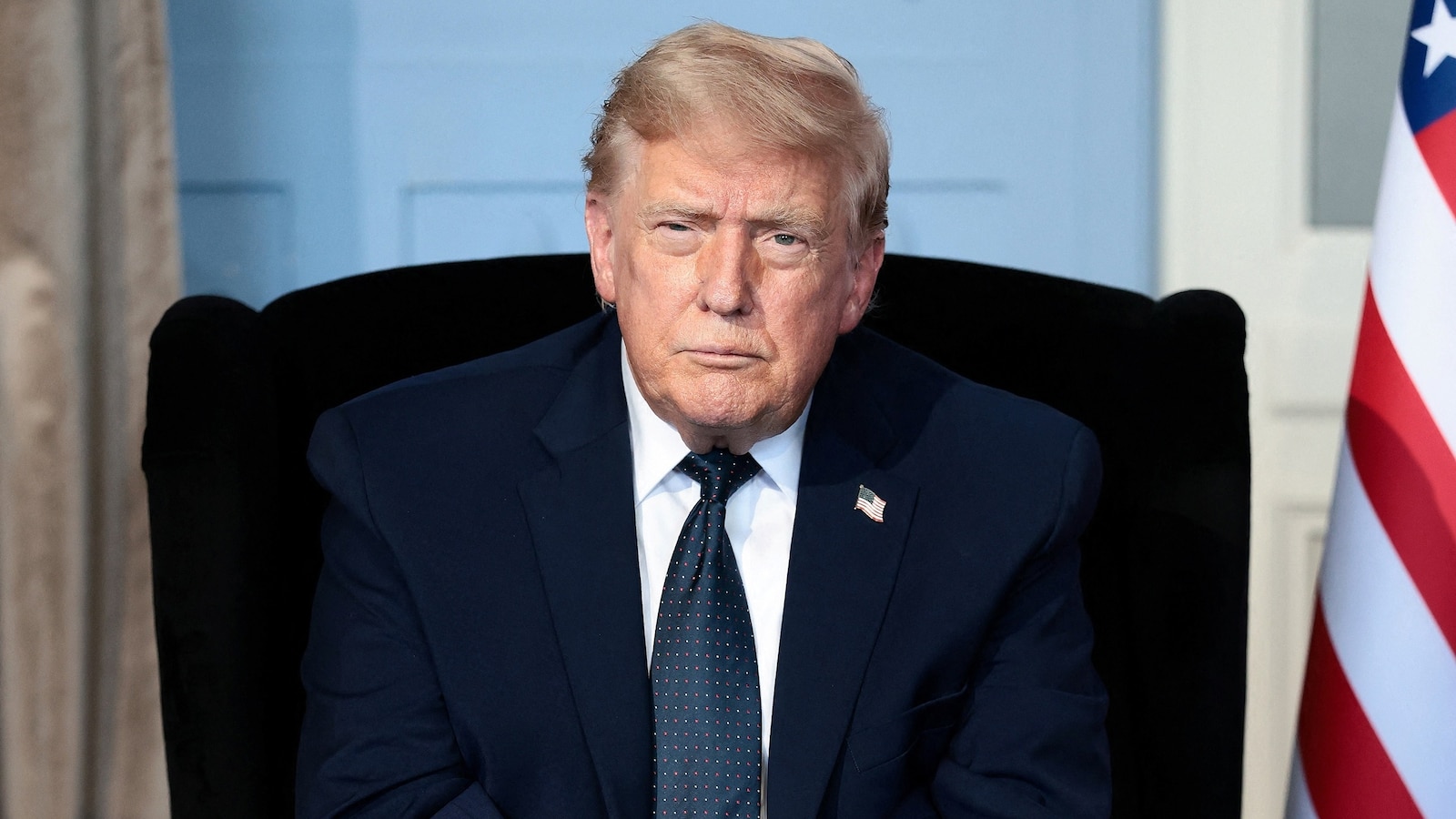
In a significant development for international trade and regional stability, President Donald Trump and Vice President JD Vance have signed a memorandum of understanding (MOU) with Iran aimed at reopening the Strait of Hormuz. This agreement, which is set to cease hostilities for 60 days, is expected to be formally signed in Geneva, Switzerland, on Friday. The Strait of Hormuz is a crucial maritime passage that facilitates a substantial portion of the world’s oil shipments, making this agreement vital for global energy security.
According to senior administration officials, the MOU will allow for the immediate reopening of the Strait, which had been closed due to ongoing conflicts. While the details of the agreement are anticipated to be released shortly, Trump has indicated that the text will be made public after the formal signing. This agreement represents a potential thaw in U.S.-Iran relations, which have been strained for years.
Details of the Memorandum of Understanding
The MOU outlines several key provisions, including a ceasefire in Lebanon and the reopening of the Strait of Hormuz to all maritime traffic. Iran has committed to ensuring the security and safe passage of vessels through the strait, in collaboration with regional partners, particularly Muscat. The administration has emphasized that while the strait is partially open, efforts are ongoing to clear mines and ensure the safety of shipping lanes.
Impact on Maritime Traffic and Energy Supplies
With the MOU in place, it is expected that heavy tankers carrying oil and gas will be prioritized for passage through the Strait of Hormuz. A senior official noted that the agreement includes a provision for toll-free passage for the duration of the 60-day ceasefire, which could significantly boost maritime traffic and alleviate supply chain concerns in the energy sector. However, the U.S. Navy has stated that its blockade of Iranian naval ports will remain until the agreement is fully executed.
Israel’s Position and Regional Implications
The agreement has raised questions regarding Israel’s involvement, particularly concerning its military presence in southern Lebanon. While Iranian officials have indicated that a ceasefire in Lebanon is part of the deal, Israel’s defense minister has made it clear that there are no plans to withdraw Israeli forces from the area. U.S. officials have clarified that the MOU does not hinge on Israel’s withdrawal, but rather establishes a framework for a ceasefire that allows Israel to defend itself against any threats from Hezbollah or other Iranian proxies.
Nuclear Oversight and Economic Considerations
Another critical aspect of the MOU is its focus on nuclear oversight. U.S. officials have stated that the agreement includes measures to verify that Iran is not pursuing nuclear weapons or funding terrorism in the region. In exchange for compliance, the MOU is expected to facilitate economic opportunities for Iran, which has faced extensive sanctions that have crippled its economy. This component of the agreement is particularly contentious, given the long-standing concerns among Western nations regarding Iran’s nuclear ambitions.
Next Steps and Future Negotiations
While the MOU marks a significant step forward, senior administration officials acknowledge that substantial work remains in the ongoing nuclear negotiations with Iran. They have expressed optimism about establishing direct relationships with high-level Iranian officials, which could pave the way for more comprehensive agreements in the future. The immediate focus will be on finalizing the details of the MOU and ensuring that both sides adhere to its terms.
The formal signing of the agreement in Geneva is anticipated to draw international attention, as stakeholders monitor the implications for regional stability and global energy markets. As the situation develops, further updates will be provided regarding the specifics of the MOU and its broader impact.
Frequently Asked Questions
What is the primary goal of the MOU between Trump and Iran?
The MOU aims to cease hostilities for 60 days and reopen the Strait of Hormuz to maritime traffic.
How does the MOU affect Israel’s military presence in Lebanon?
The MOU includes a ceasefire in Lebanon, but Israel’s defense minister has stated that there are no plans to withdraw Israeli forces.
What economic benefits does the MOU offer Iran?
In exchange for compliance with the agreement, Iran is expected to see economic opportunities, as sanctions may be lifted.
When will the details of the MOU be released?
Details are expected to be made public within 24 to 48 hours after the formal signing on Friday.
What are the implications for global energy supplies?
The reopening of the Strait of Hormuz is crucial for global oil shipments, and the MOU aims to facilitate the flow of heavy tankers carrying oil and gas.
Source: ABC News
Leave a Reply