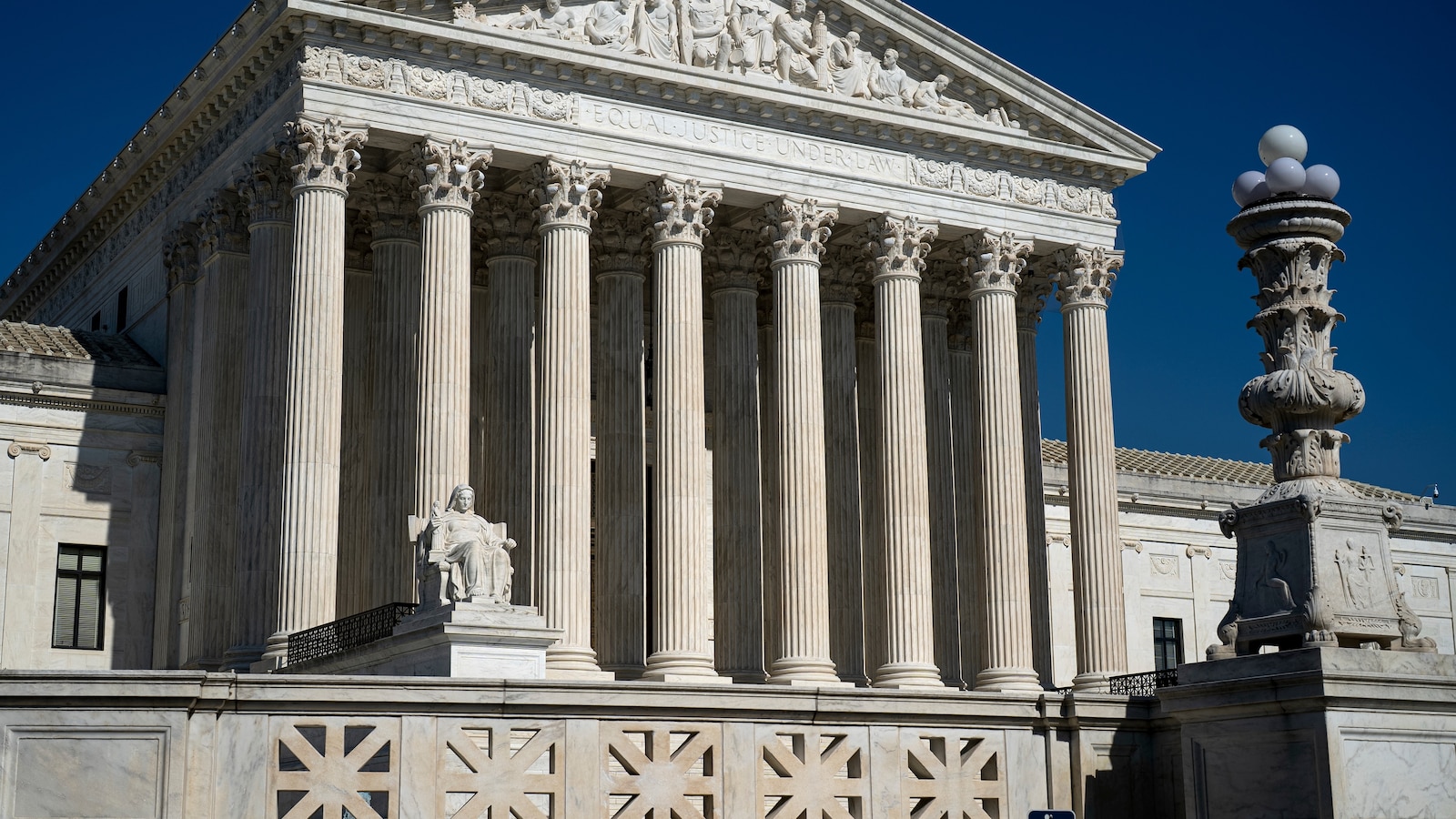
The U.S. Supreme Court issued a significant ruling on Thursday in favor of Terry Pitchford, a Black death row inmate from Mississippi, who has long claimed that racial bias influenced the jury that convicted him. The decision, reached by a narrow 5-4 vote, underscores ongoing concerns about racial discrimination in the judicial system, particularly in capital cases.
Pitchford was sentenced to death for his involvement in the murder of grocery store owner Reuben Britt, who was shot during a robbery in 2000. The case has raised critical questions about the fairness of his trial, particularly regarding the composition of the jury, which included only one Black juror. This situation parallels another case involving Curtis Flowers, a Black man whose conviction was overturned by the Supreme Court in 2019 due to similar racial bias in jury selection.
Background of the Case
Terry Pitchford, now 40, was just 18 years old at the time of the crime. His co-defendant, who was younger than 18, was ineligible for the death penalty. Pitchford’s trial was presided over by Judge Joseph Loper, who has been criticized for his rulings regarding jury selection. The prosecutor in Pitchford’s case, Doug Evans, has a documented history of dismissing Black jurors, raising alarms about potential discrimination.
The Supreme Court’s landmark ruling in Batson v. Kentucky (1986) established that jurors cannot be excluded based on race and mandated trial judges to evaluate claims of racial discrimination in jury selection. Pitchford’s legal team argued that Judge Loper failed to adequately consider claims of racial bias during the trial, particularly in light of Evans’s history.
Supreme Court’s Ruling
The Supreme Court’s decision to side with Pitchford is a critical affirmation of the Batson ruling, emphasizing the importance of impartial jury selection. The justices focused on whether Pitchford’s attorneys effectively objected to the jury selection process and whether the state Supreme Court acted reasonably in concluding that they had not.
In 2023, U.S. District Judge Michael P. Mills had overturned Pitchford’s conviction, citing that the trial judge did not allow sufficient opportunity for the defense to argue against the prosecution’s dismissal of Black jurors. However, this ruling was reversed by a unanimous panel of the 5th U.S. Circuit Court of Appeals, leading to the Supreme Court’s review.
Implications of the Decision
This ruling has broader implications for the justice system, particularly concerning the treatment of racial minorities in capital cases. It highlights the need for greater scrutiny of jury selection processes and the ongoing challenges faced by defendants who may be subjected to racial bias. The case also serves as a reminder of the importance of legal representation and the need for attorneys to be vigilant in protecting the rights of their clients.
Continuing Legal Battles
Pitchford’s case has been in the legal system for over two decades, illustrating the complexities and prolonged nature of capital cases. The Supreme Court’s ruling does not automatically result in Pitchford’s release but rather sends the case back to lower courts for further consideration based on the new findings regarding jury bias.
As the legal proceedings continue, advocates for justice reform are likely to monitor the case closely, hoping it will lead to more comprehensive changes in how jury selection is conducted, particularly in racially charged cases.
Frequently Asked Questions
What was the basis for the Supreme Court’s ruling in Pitchford’s case?
The Supreme Court ruled that there was significant evidence of racial bias in the jury selection process, which violated the principles established in Batson v. Kentucky.
How does this case relate to Curtis Flowers?
Both cases involved the same prosecutor, Doug Evans, who has a history of dismissing Black jurors, raising concerns about systemic racial bias in jury selection.
What happens next for Terry Pitchford?
The case will return to lower courts for further proceedings, where the implications of the Supreme Court’s ruling will be examined in detail.
Why is jury composition important in capital cases?
A diverse jury is essential for ensuring fair trials and reducing the risk of racial bias influencing the outcome of a case, especially in capital punishment scenarios.
What are the implications of this ruling for future cases?
This ruling may set a precedent for how courts handle claims of racial bias in jury selection, potentially leading to more rigorous evaluations of jury compositions in similar cases.
For more updates, visit QuickFeedNews.
Source: ABC News




Leave a Reply