The U.S. military has conducted a strike against a vessel in the eastern Pacific Ocean, which it suspects of being involved in drug trafficking. This operation resulted in the deaths of two individuals. The strike, carried out by U.S. Southern Command, follows a similar operation just a day prior, where one person was killed and two others survived. These actions are part of a broader campaign against drug trafficking in Latin American waters, which has intensified since early September.
Video footage released by U.S. Southern Command shows the targeted vessel on the water before being hit by an explosion, with subsequent images capturing smoke and fire rising from the boat. The military has stated that it promptly notified the U.S. Coast Guard to activate search and rescue operations for the survivors from the previous day’s strike.
Context of Military Operations
The U.S. military’s recent actions are part of an ongoing campaign against drug cartels operating in Latin America. The Trump administration has characterized this effort as a war against these organizations, which it claims are significantly contributing to the opioid crisis in the United States. Since the campaign’s inception, at least 196 individuals are reported to have died in related strikes, although the military has not provided evidence confirming that the targeted vessels were indeed carrying illegal drugs.
Ongoing Scrutiny and Legal Concerns
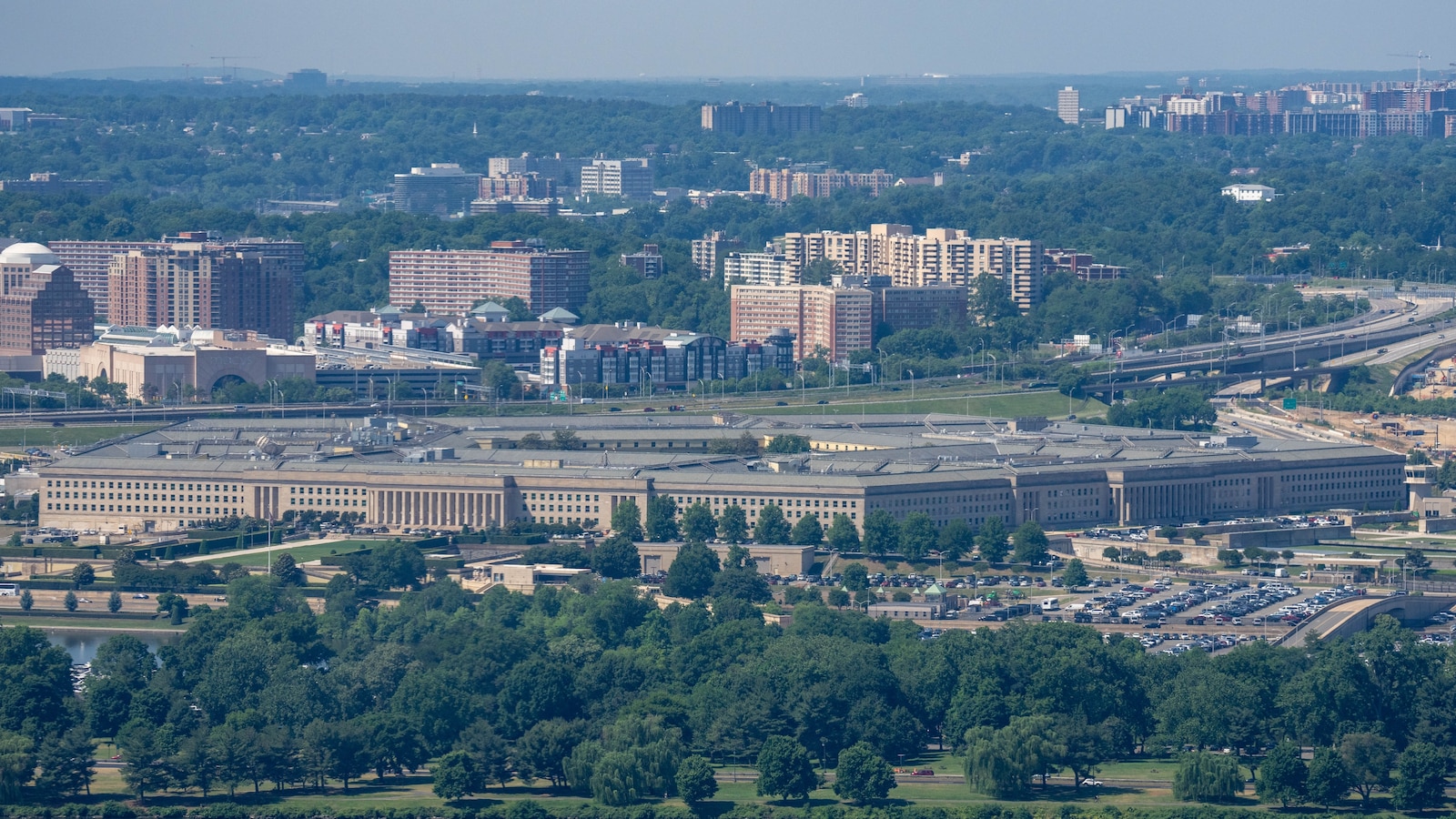
The Pentagon’s operations have drawn criticism from various quarters, including Democratic lawmakers and military legal scholars. Concerns have been raised regarding the legality and ethical implications of the strikes, particularly given the high number of fatalities. In response to these concerns, the Pentagon’s inspector general announced a self-initiated review to assess whether the military adhered to established targeting procedures known as the Joint Targeting Cycle. This framework includes several phases, such as target development and execution, but the review will not address the legality of the strikes themselves.
Implications for U.S. Drug Policy
The military’s aggressive stance against drug trafficking reflects a broader strategy to combat the influx of narcotics into the United States, which has been linked to rising overdose deaths. The administration’s narrative positions these operations as essential to safeguarding American communities from the ravages of drug addiction. However, the effectiveness and consequences of such military interventions remain subjects of debate.
Future of Military Engagement in Drug Trafficking
As the U.S. continues to engage militarily in the fight against drug trafficking, the outcomes of these operations will likely influence both domestic policy and international relations. The ongoing review by the Pentagon could lead to adjustments in tactics or protocols, depending on its findings. The military’s approach to combating drug cartels may evolve as it faces increasing scrutiny from lawmakers and the public.
Conclusion
The recent strikes by the U.S. military in the eastern Pacific highlight the ongoing conflict between the U.S. government and drug trafficking organizations. As operations continue, the implications for both U.S. domestic policy and international drug enforcement efforts will be closely monitored. For more updates, visit QuickFeedNews.
Frequently Asked Questions
What prompted the U.S. military strikes in the eastern Pacific?
The strikes are part of a campaign against drug trafficking organizations that the U.S. government claims are responsible for increasing drug-related fatalities in the country.
How many people have been killed in these military operations?
Since the campaign began in early September, at least 196 individuals are reported to have died as a result of these strikes.
What is the Joint Targeting Cycle?
The Joint Targeting Cycle is a framework used by the military to guide the targeting process, including phases like target development and execution.
Are the strikes legal?
The legality of the strikes is not being investigated in the current review by the Pentagon’s inspector general, which focuses on adherence to targeting procedures.
What has been the response from lawmakers regarding these operations?
Some Democratic lawmakers and military legal scholars have expressed concerns about the legality and ethical implications of the strikes.
Source: Source


Leave a Reply