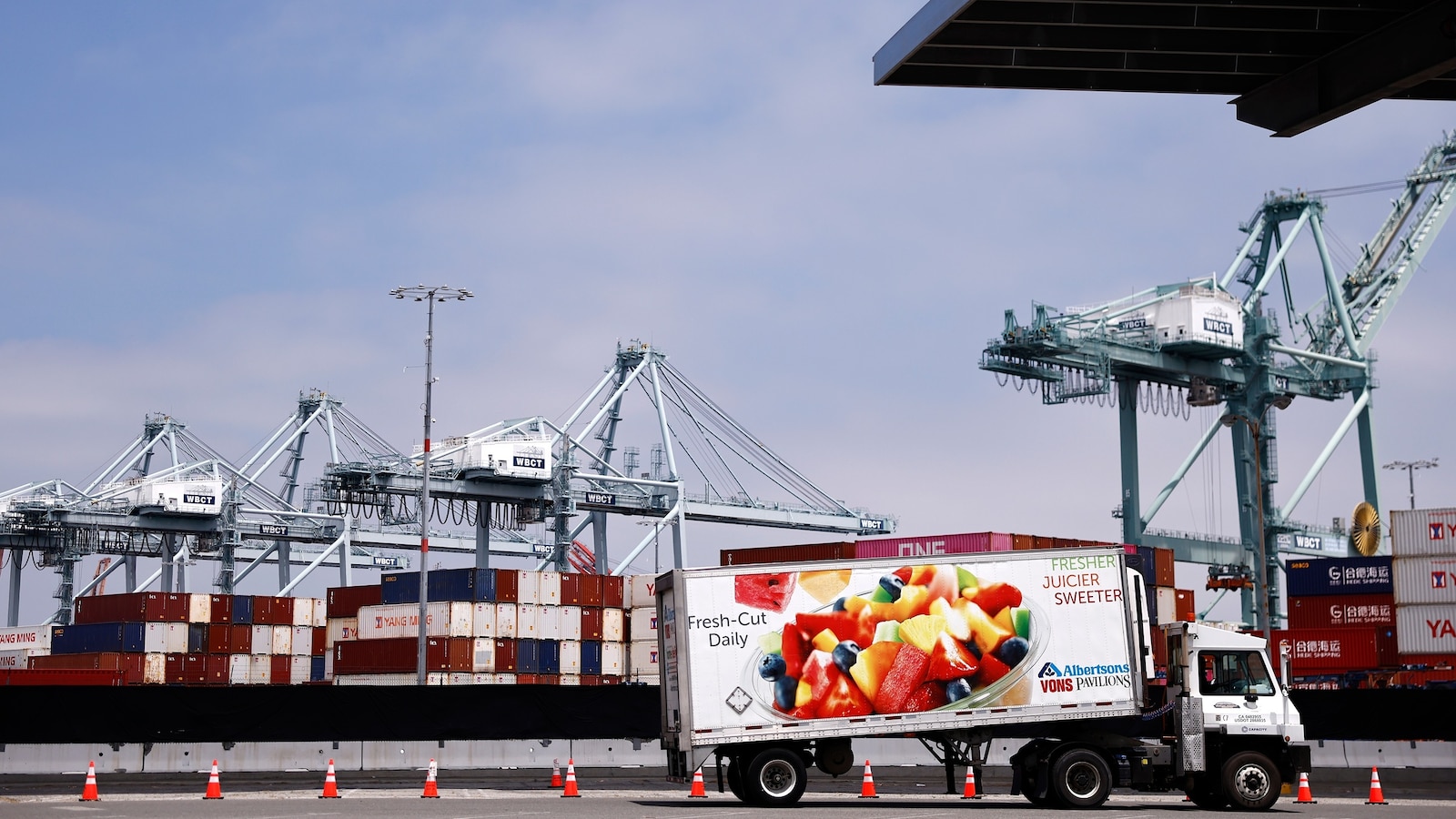
The Trump administration has put forth a sweeping new tariff proposal that could affect 60 countries, including significant U.S. trade partners like Canada and China. This measure aims to impose tariffs on a variety of imported consumer goods, raising concerns about potential price increases at a time when inflation is already a pressing issue due to geopolitical tensions, including the ongoing war in Iran.
According to the Office of the U.S. Trade Representative (USTR), the proposed tariffs would start at a minimum of 10% and target nations over their alleged failure to prevent the importation of goods produced through forced labor. This initiative is part of President Trump’s broader strategy to reinstate tariffs that were previously struck down by the Supreme Court earlier this year.
Details of the Proposed Tariffs
The proposed tariffs would impose at least a 10% levy on imports from 60 countries, which range from Costa Rica to Saudi Arabia and include members of the European Union. Specifically, 54 countries, including India and Brazil, would face a higher tariff rate of 12.5% due to their alleged failure to adequately address the import of products produced with forced labor. Meanwhile, Canada and Mexico would incur a 10% tariff for similar reasons.
This proposal follows an investigation initiated by the Trump administration in March under Section 301 of the Trade Act of 1974, which allows for temporary tariff authority in response to adverse trade policies from other nations. U.S. Trade Representative Jamieson Greer emphasized that the lack of action from these trading partners creates an uneven playing field for American workers.
Potential Economic Impact
The introduction of these tariffs is expected to increase the overall tariff levels, although they would remain below the rates that were in place before the Supreme Court ruling against Trump in February. As of last week, the administration had already issued approximately $20 billion in refunds related to previous tariffs, according to court documents.
Notably, the trading partners affected by this potential round of tariffs account for about 99% of all U.S. imports. However, investment bank Macquarie has indicated that a series of exemptions could mitigate the overall impact of the new tariffs. For instance, imports covered by the United States-Mexico-Canada Agreement (USMCA) would be excluded, which represent about 20% of all U.S. imports. Additionally, many agricultural, apparel, and energy products are expected to be exempt from these new levies.
Current Tariff Landscape
Prior to the Supreme Court’s decision, the U.S. had a weighted tariff rate of 14.5%. Following that ruling, the rate has decreased to approximately 8.2%, according to the Tax Foundation. Jason Miller, a professor of supply-chain management at Michigan State University, noted that while the Trump administration is raising tariffs from current levels, the situation is not reverting to what it was before the legal ruling. He suggested that consumers might ultimately fare better under the new proposal compared to the previous tariffs.
Responses and Next Steps
As the proposal is still in its early stages, the response from affected countries and industries remains to be seen. Stakeholders are likely to analyze the potential economic repercussions, including the impact on prices for consumers and businesses alike. The administration’s focus on forced labor highlights a growing concern regarding ethical sourcing and labor practices in global trade, which may resonate with consumers increasingly aware of these issues.
Conclusion
The proposed tariffs reflect the Trump administration’s ongoing efforts to reshape U.S. trade policy and address labor practices in international trade. As discussions continue, the implications for consumers, businesses, and U.S. trade relations will be closely monitored.
Frequently Asked Questions
What countries are affected by the new tariff proposal?
The proposal targets 60 countries, including major trade partners like Canada, China, India, and Brazil.
What is the reason behind these tariffs?
The tariffs aim to address the importation of goods produced with forced labor, which the U.S. Trade Representative argues gives unfair competitive advantages.
How will these tariffs impact U.S. consumers?
While the tariffs may raise prices on some imported goods, exemptions for certain products could mitigate their overall impact on consumers.
What is the current tariff rate in the U.S.?
Following a Supreme Court ruling, the current weighted tariff rate in the U.S. is approximately 8.2%.
What exemptions are included in the proposal?
Exemptions may include goods under the USMCA and various agricultural, apparel, and energy products.
Source: ABC News




Leave a Reply